Permits›Nagaland
Inner Line Permit🪶Nagaland permit for Indian travellers
Indian travellers need an Inner Line Permit for Nagaland. It is issued online at ilp.nagaland.gov.in. It costs a nominal fee under ₹500 per person, rising with the length of stay. It is valid for tourist ILPs are issued for 15 or 30 days. Tourisma lists 3 destinations in Nagaland. The rule below was last checked against the issuing authority in October 2026; permit rules change, so confirm before you travel.
Inner Line Permit required
Indian visitors from outside Nagaland need an ILP — apply online at the Nagaland ILP portal (ilp.nagaland.gov.in) or at Nagaland House in Delhi, Kolkata, Guwahati or Shillong, or on arrival at Dimapur.
- Apply at ilp.nagaland.gov.in with a photo ID and a photo, choosing the districts and dates you will visit.
- Pay the fee online and download the permit; or get it over the counter at Nagaland House or the Dimapur DC office.
- Carry it with your ID — it is checked at the Dimapur and Kohima entry points and during the Hornbill Festival.
- Cost
- A nominal fee under ₹500 per person, rising with the length of stay.
- Valid for
- Tourist ILPs are issued for 15 or 30 days.
- Where
- ilp.nagaland.gov.in
Written for Indian passport holders (on a foreign passport, see below). Last checked October 2026. Rules change — verify with the issuing authority before you travel.
Who needs it, who doesn't
- Needs it
- Every Indian citizen who is not a resident of Nagaland, for the whole stay — it is checked at the entry points and often at hotel check-in.
- Doesn't
- Residents of Nagaland with local ID. Foreign nationals are under a different regime (Protected or Restricted Area Permit rules), set out under "On a foreign passport" below.
- Where
- All of Nagaland, so every destination on this page: Dzukou Valley, Kisama (Hornbill Festival) and Kohima.
On a foreign passport
The rule above is for Indian passport holders; visitors from abroad go by this one. A Protected or Restricted Area Permit is separate from the Indian visa: an e-Visa does not cover those areas without one.
Protected Area Permit (reinstated December 2024)
The Home Ministry reimposed the Protected Area Regime on Nagaland on 17 December 2024, after 13 years without it, so foreigners again need a Protected Area Permit, applied for online on the e-FRRO portal (indianfrro.gov.in), in practice through a registered tour operator, before entering the state; Hornbill Festival visitors included. Foreigners must also register with the Foreigners Registration Officer within 24 hours of arriving. No fee figure was found. Nationals of Afghanistan, China and Pakistan need prior Home Ministry approval.
Rules change — verify with the issuing authority or a registered tour operator before you travel.
Nagaland destinations on Tourisma
The rule above says which areas it applies to. Each links to its November guide.
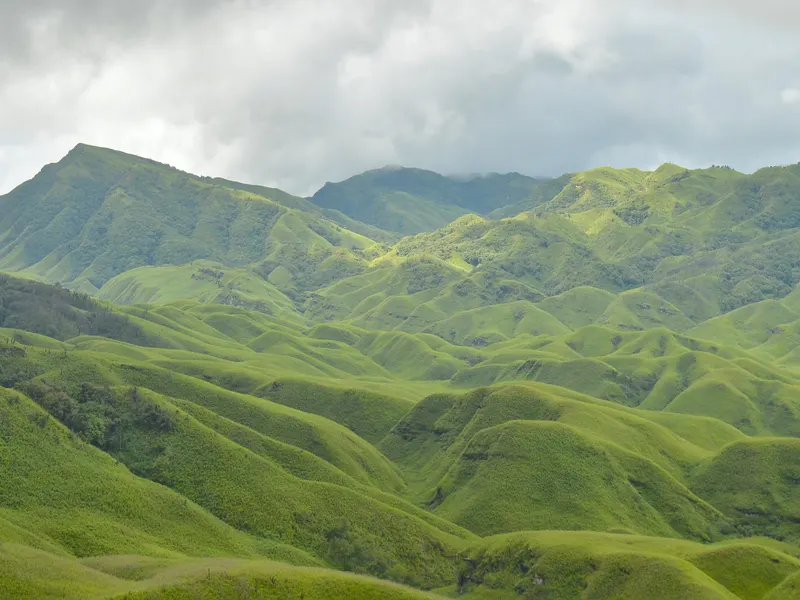 Dzukou ValleyValley of Flowers of the Northeast
 Kisama (Hornbill Festival)Festival of Festivals
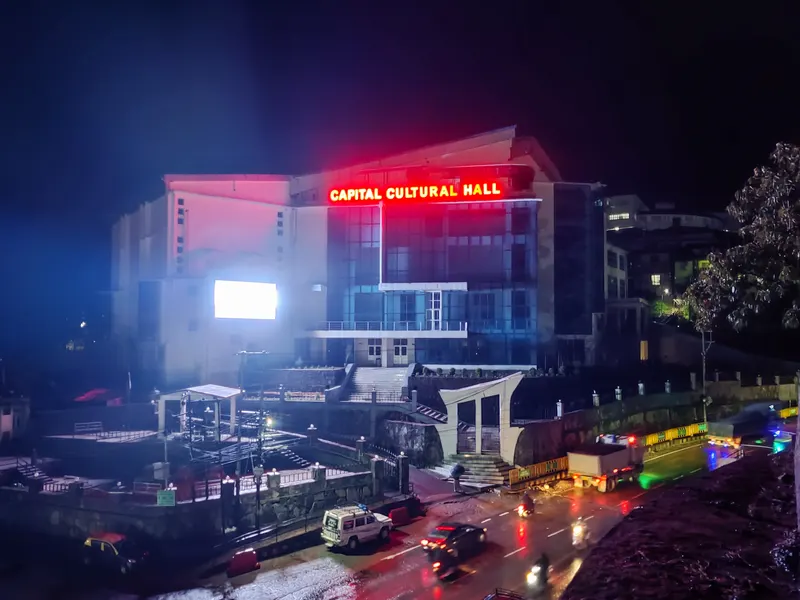 KohimaCapital of the Naga Hills
Nagaland permit questions, answered
Do Indian travellers need a permit for Nagaland?
Every Indian citizen who is not a resident of Nagaland, for the whole stay — it is checked at the entry points and often at hotel check-in. Residents of Nagaland with local ID. Foreign nationals are under a different regime (Protected or Restricted Area Permit rules), set out under "On a foreign passport" below.
How do I get the Nagaland inner line permit, and what does it cost?
Apply at ilp.nagaland.gov.in with a photo ID and a photo, choosing the districts and dates you will visit. Pay the fee online and download the permit; or get it over the counter at Nagaland House or the Dimapur DC office. Carry it with your ID — it is checked at the Dimapur and Kohima entry points and during the Hornbill Festival. Cost: A nominal fee under ₹500 per person, rising with the length of stay. Valid for: Tourist ILPs are issued for 15 or 30 days. Last checked October 2026.
Which places in Nagaland does the permit cover?
All of Nagaland, so every destination on this page: Dzukou Valley, Kisama (Hornbill Festival) and Kohima.